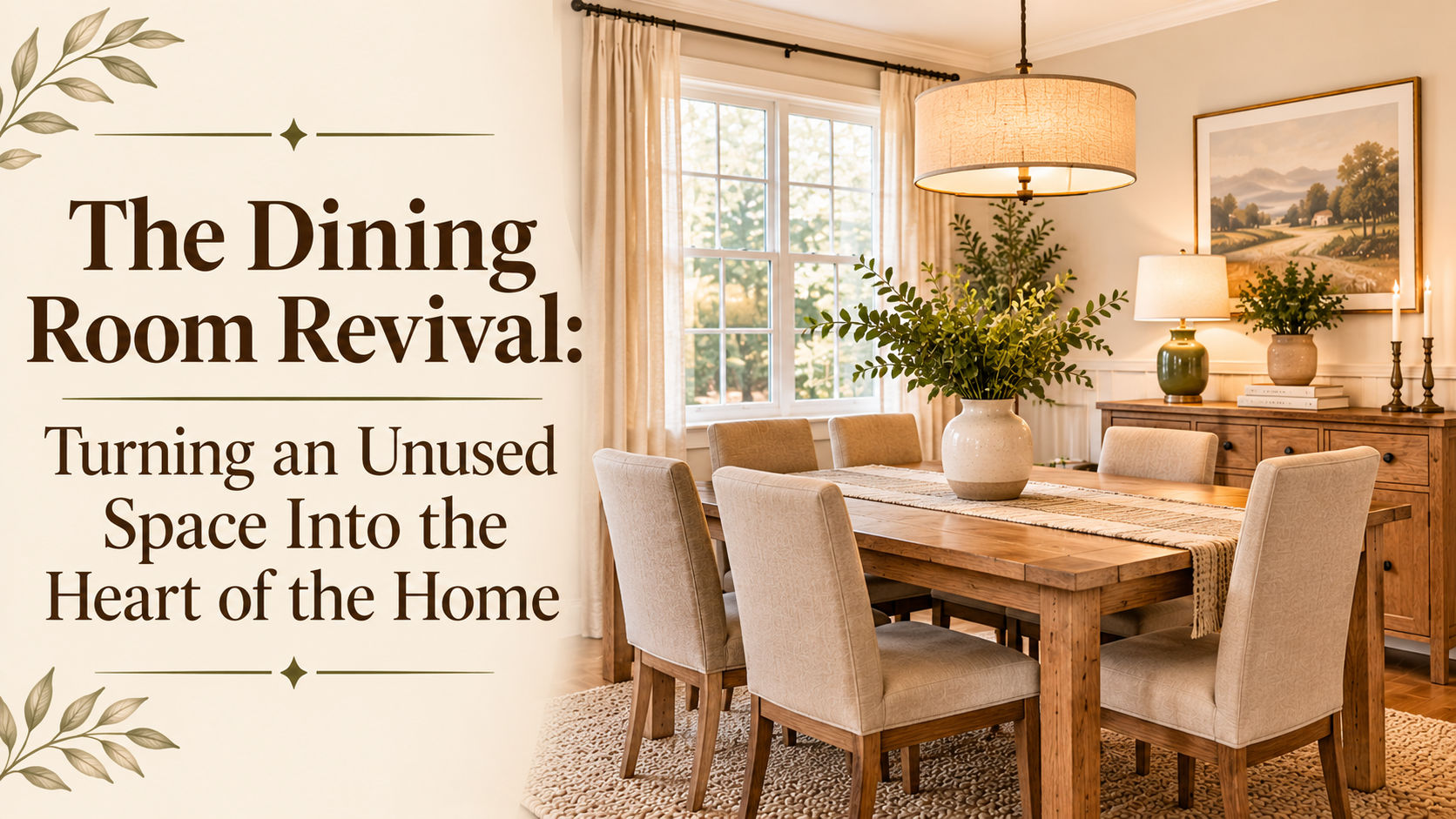
Does your dining room look beautiful but rarely get used? Maybe it only comes alive during holidays, while the rest of the year the table collects mail, shopping bags, and things that don't seem to have another home. You're not alone. A dedicated dining room can easily become one of the least-used spaces in a house.
But your dining room doesn't have to be reserved for special occasions. With a few thoughtful changes, it can become a welcoming place for weeknight dinners, morning coffee, board games, creative projects, and conversations that bring people together.
The secret isn't buying a completely new furniture set. It's deciding how you want to use the room, making everyday activities easier, and creating an atmosphere that makes people want to spend time there.
1. Decide What You Want Your Dining Room to Do
Before moving furniture or shopping for decor, think about why your dining room feels unused. Is the table too formal for everyday meals? Does the room feel disconnected from the kitchen? Is it being used as a storage area because your home lacks practical organization?
Choose one main purpose for the room and, if you need to, one or two secondary uses. Your dining room might become a place for family dinners, a casual work area during the day, or a gathering spot for games and conversation in the evening.
For example, if you want to eat together more often, prioritize comfortable chairs, accessible tableware, and lighting that feels pleasant after sunset. If you need a flexible workspace, consider how a laptop, notebooks, and work supplies can be stored away when dinner time arrives.
Try this first: Write down three activities you would genuinely enjoy doing in the room each week. Let those activities guide your design choices instead of decorating around an idealized picture of a formal dining room.
2. Make Everyday Meals Feel Special
You don't need a holiday or dinner party to use your dining table. In fact, making everyday meals feel a little more inviting may be the simplest way to bring the room back to life.
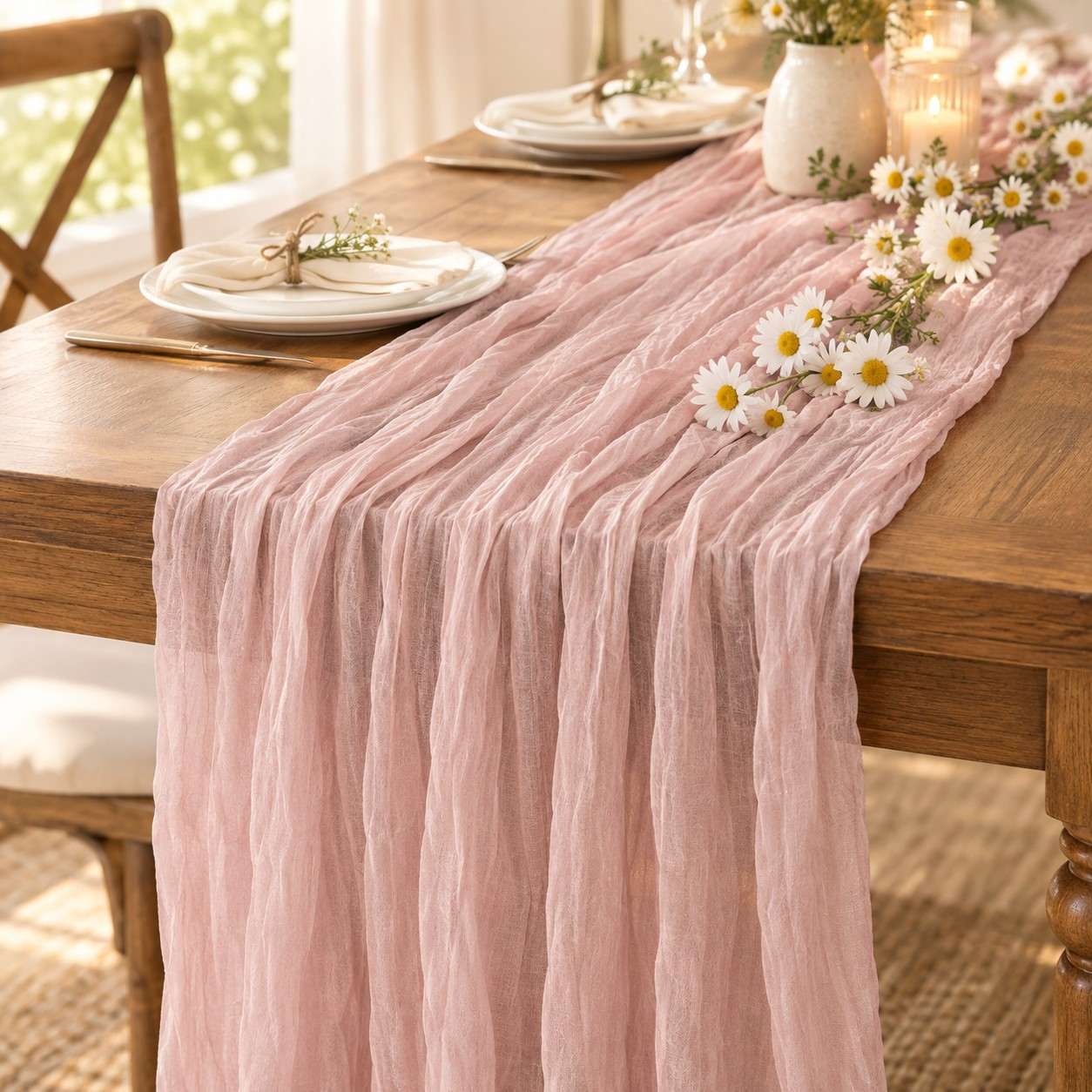
Start by keeping the table ready to use. A washable runner, a small vase, or a simple bowl of seasonal fruit can add warmth without taking up too much space. Store placemats, napkins, and everyday dishes somewhere easy to reach so setting the table doesn't feel like a project.
Keep the centerpiece low enough that people can comfortably see one another across the table. If you use the table for homework or other activities, choose something that can be moved in seconds.
- Keep everyday plates and cutlery accessible.
- Use washable placemats or a table runner for easy maintenance.
- Choose a small centerpiece instead of filling the table with decorations.
- Clear mail, bags, and unrelated items before meals.
The goal is to make sitting down for a meal feel easy, not like preparing for a formal event.
3. Choose Furniture That Fits Real Life
Furniture can make the difference between a room that looks good and one that actually works. A table that is too large can restrict movement, while uncomfortable chairs may discourage people from lingering after a meal.
Measure the room before buying anything. Consider how people will move between the dining table, kitchen, doorways, and nearby furniture. Leave enough room to pull chairs out and walk around them comfortably.
If your room serves several purposes, flexible furniture can be especially useful. An extendable table gives you more space when guests visit without requiring a large everyday footprint. A bench can fit neatly along a wall, and lightweight chairs can be moved when the room needs to accommodate another activity.
- Choose a table size that suits your usual household, not just occasional gatherings.
- Consider an extendable table if you regularly host extra guests.
- Use comfortable chairs that are easy to clean and maintain.
- Look for storage benches or other dual-purpose pieces when space is limited.
You don't have to replace everything at once. Sometimes moving the existing table, removing an oversized cabinet, or changing the chair arrangement is enough to make the room feel more practical.
4. Use Lighting to Create a Welcoming Atmosphere
Lighting helps define the mood of a dining room. Bright, even light can be useful for working, reading, or helping children with homework, while softer lighting can make dinner feel more relaxed.
If you have a ceiling fixture above the table, make sure it provides comfortable light without creating glare. A dimmable bulb or compatible dimmer can help you adjust the atmosphere for different activities. Always check that bulbs and fixtures are compatible with the dimmer you use.
Additional lighting can make the room more flexible. A small table lamp on a sideboard or a floor lamp in a reading corner may help the room feel inviting when the main ceiling light is switched off.
- Use a pendant or ceiling fixture to anchor the dining table visually.
- Choose warm, comfortable light for evening meals.
- Keep brighter task lighting available if you work or study at the table.
- Use natural daylight where possible and avoid blocking windows with bulky furniture.
For more ideas, read our guide to creating a cozier home with better lighting.
5. Give Everything a Place to Go
A dining room can lose its purpose when the table becomes the default landing spot for everything that enters the house. Mail, school supplies, shopping bags, and miscellaneous household items can quickly make the space feel crowded.
The solution is not necessarily more storage. It's making storage easy to use. A sideboard can hold dishes, table linens, and serving pieces. Baskets or labeled containers can keep hobby supplies together, while a small tray can corral items that need to be sorted later.
If you use the dining room as a workspace, designate a cabinet shelf or portable box for work supplies. At the end of the day, put everything away so the table is ready for meals again.
- Keep dining essentials close to where you use them.
- Use closed storage for supplies you don't want on display.
- Create a simple routine for sorting mail and paperwork.
- Leave the tabletop mostly clear when the room isn't in use.
Try a five-minute reset each evening. A quick tidy can make the room feel ready for breakfast the next morning.
6. Add Warmth With Color, Texture, and Personal Details
A dining room doesn't have to feel formal to look considered. Natural materials, comfortable textures, and a few personal details can make the space feel like part of the home rather than a room saved for special occasions.
Start with what you already have. Wood furniture, woven baskets, linen-look curtains, ceramic pieces, framed artwork, or a textured rug can introduce warmth without requiring a full makeover.
Choose a small color palette and repeat it through a few elements. For example, warm wood, cream, and muted green can create a relaxed atmosphere. If you prefer a bolder look, try a deeper wall color or colorful dining chairs while keeping other elements simple.
Consider adding something that reflects how your household lives: a favorite piece of art, a shelf of cookbooks, a bowl collected on a trip, or a framed family photograph. These details make the room personal rather than staged.
- Repeat two or three colors to create visual consistency.
- Mix materials such as wood, fabric, glass, and ceramic.
- Use artwork to give an empty wall a sense of purpose.
- Keep decorations manageable so the room remains easy to clean.
You don't need a matching furniture set or expensive accessories. A room often feels more welcoming when it reflects the people who use it.
7. Make the Room Work for More Than One Activity
If your household doesn't need a formal dining room every day, let the space serve more than one purpose. A dining table can be useful for puzzles, crafts, homework, planning family trips, or working from home between meals.
The key is to make these activities easy to start and easy to put away. Use portable storage containers for craft materials, a basket for board games, or a small cabinet for office supplies. If you work at the table, keep a comfortable chair and suitable task lighting available.
Here are a few ways to make the space more versatile:
- Family game spot: Store board games in a nearby cabinet and keep the table clear enough to play.
- Homework station: Organize pencils, paper, and chargers in a portable caddy.
- Casual home office: Use a laptop stand and task light, then store work materials at the end of the day.
- Creative corner: Keep art or craft supplies in labeled boxes that can be carried to the table when needed.
- Reading and conversation area: If space allows, add a comfortable chair and a small side table.
If you want the room to remain available for dinner parties, avoid permanent changes that make dining difficult. Flexible storage and movable accessories help the room transition from one activity to another.
8. Create a Reason to Gather There
The most beautiful dining room won't feel like the heart of the home if nobody has a reason to use it. Rather than waiting for a special occasion, create small routines that bring people into the space.
You might have coffee at the table on weekend mornings, share dinner there a few nights a week, or set aside one evening for board games. If you live alone or have different schedules, the table can still be a place to enjoy a quiet meal, read, write, or plan the week ahead.
Make gathering comfortable rather than complicated. Keep chairs accessible, avoid leaving the table covered in unrelated items, and choose lighting that suits the activity. A small vase or a favorite table runner can make the room feel ready without requiring elaborate styling.
Most importantly, let your routines fit your household. You don't need to recreate a formal family dinner every night. The goal is simply to make the dining room useful enough that spending time there becomes natural.
How to Refresh Your Dining Room on a Budget
You can revive an unused dining room without buying a new table or replacing every accessory. Begin with a reset and make changes in stages.
- Declutter first: Remove items that don't belong and decide what storage is genuinely needed.
- Rearrange your furniture: Improve the walking path and make the table easier to access.
- Refresh the tabletop: Add a washable runner or a simple centerpiece you already own.
- Improve the lighting: Try a suitable warm bulb or a portable lamp before replacing a fixture.
- Shop your home: Move artwork, baskets, or accessories from another room if they suit the space.
- Buy only what solves a problem: Choose storage, seating, or lighting based on how you'll use the room.
Make one change at a time and see how it affects the way you use the room. This helps you avoid spending money on decor that looks attractive but doesn't make daily life easier.
Frequently Asked Questions
How do I make an unused dining room useful?
Start by choosing a clear purpose, such as everyday dining, family games, homework, or a flexible workspace. Arrange the furniture around that activity, add practical storage, and make the room easy to reset when you need it for something else.
Can a dining room be used for more than eating?
Yes. A dining room can also serve as a homework station, craft area, home office, reading space, or game room. Portable storage and flexible furniture make it easier to switch between activities without permanently losing the dining function.
How can I make my dining room feel cozy?
Use comfortable seating, warm lighting, a coordinated color palette, and a few personal details. Keep clutter under control and make the table easy to use for everyday meals, not just special occasions.
How can I update my dining room without buying new furniture?
Clear clutter, rearrange the furniture, refresh the tabletop, improve the lighting, and move artwork or accessories from elsewhere in your home. Small changes can make the room feel more intentional without the cost of a complete makeover.
Final Thoughts: Make Room for Everyday Life
A dining room doesn't have to wait for holidays, birthdays, or dinner parties to earn its place in your home. With a clear purpose, comfortable furniture, useful storage, and welcoming details, it can become a space you enjoy throughout the week.
Start small. Clear the table, make the lighting more inviting, or plan one everyday activity you can move into the room. Then build from there.
The real dining room revival isn't about creating a picture-perfect space. It's about making room for everyday meals, conversations, creativity, and the little moments that help a house feel like home.