.jpeg)
You've bought the throw blankets. You've styled the shelves. The furniture is arranged well, the colors work and yet the room still doesn't feel like anything. It looks fine in photos and flat in person.
Nine times out of ten, the missing piece isn't decor. It's lighting. Specifically, it's one overworked overhead light trying to do a job that's supposed to be split between several smaller sources. Here's what's actually going wrong, and how to fix each part of it.
The Real Problem: One Light Is Doing All the Work
Most homes rely on a single ceiling fixture per room one bright, evenly-distributed light source that floods the whole space equally. That evenness is exactly the problem. A room lit from one point overhead has no depth: no shadows, no glow, no contrast between brighter and dimmer areas. Your eyes read that flatness as sterile, not restful, even if you can't consciously identify why.
Cozy rooms almost never rely on a single source. They're lit from several places at different heights, which is what creates the sense of depth a flat, evenly-lit room is missing.
Fix #1: Learn Your Kelvin Number
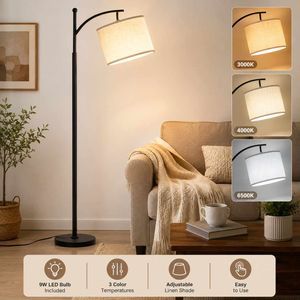
Every bulb has a color temperature, measured in Kelvin (K), and it matters more than brightness for how "cozy" a room feels. Higher Kelvin numbers (4000K and up) skew blue-white and read as clinical think office buildings and hospitals. Lower numbers (2700K–3000K) skew warm and amber, and read as relaxed and inviting.
The simple rule: for any lamp, sconce, or fixture in a space meant to feel cozy, stay at or below 3000K. Most bulb packaging lists this number directly it's usually the easiest, cheapest fix on this whole list, since it just means buying the right replacement bulb next time one burns out.
Fix #2: Layer Three Types of Light, Not One
Professionally lit rooms combine three categories of light instead of relying on one:
- Ambient light the general light that fills the room (overhead fixtures, larger lamps)
- Task light focused light for a specific activity (a reading lamp, under-cabinet kitchen lighting)
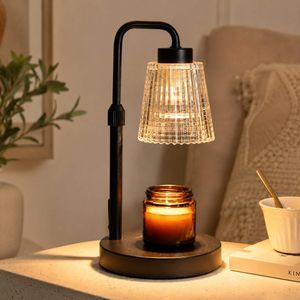
- Accent light smaller, decorative light that adds mood rather than function (a candle warmer lamp, string lights, a small uplight behind a plant)
A room with only ambient light feels flat no matter how nice the bulb is. A room with all three layers feels finished even with basic furniture, because the light itself is doing visual work.
Fix #3: Turn the Overhead Light Off More Often
This is less about buying anything and more about breaking a habit. In the evening, try relying on lamps and accent lighting instead of the main overhead fixture, and see how much the mood shifts. Most people are surprised by how much a room changes just from switching which light source they default to after dark.
Fix #4: Light the Corners, Not Just the Center
An overhead fixture lights the middle of a room well and leaves the corners comparatively dark which is part of why rooms can feel both cluttered and cold at the same time. A small lamp or plug-in light in a corner does double duty: it fills in that shadow, and it makes the room's overall footprint feel larger and more intentional.
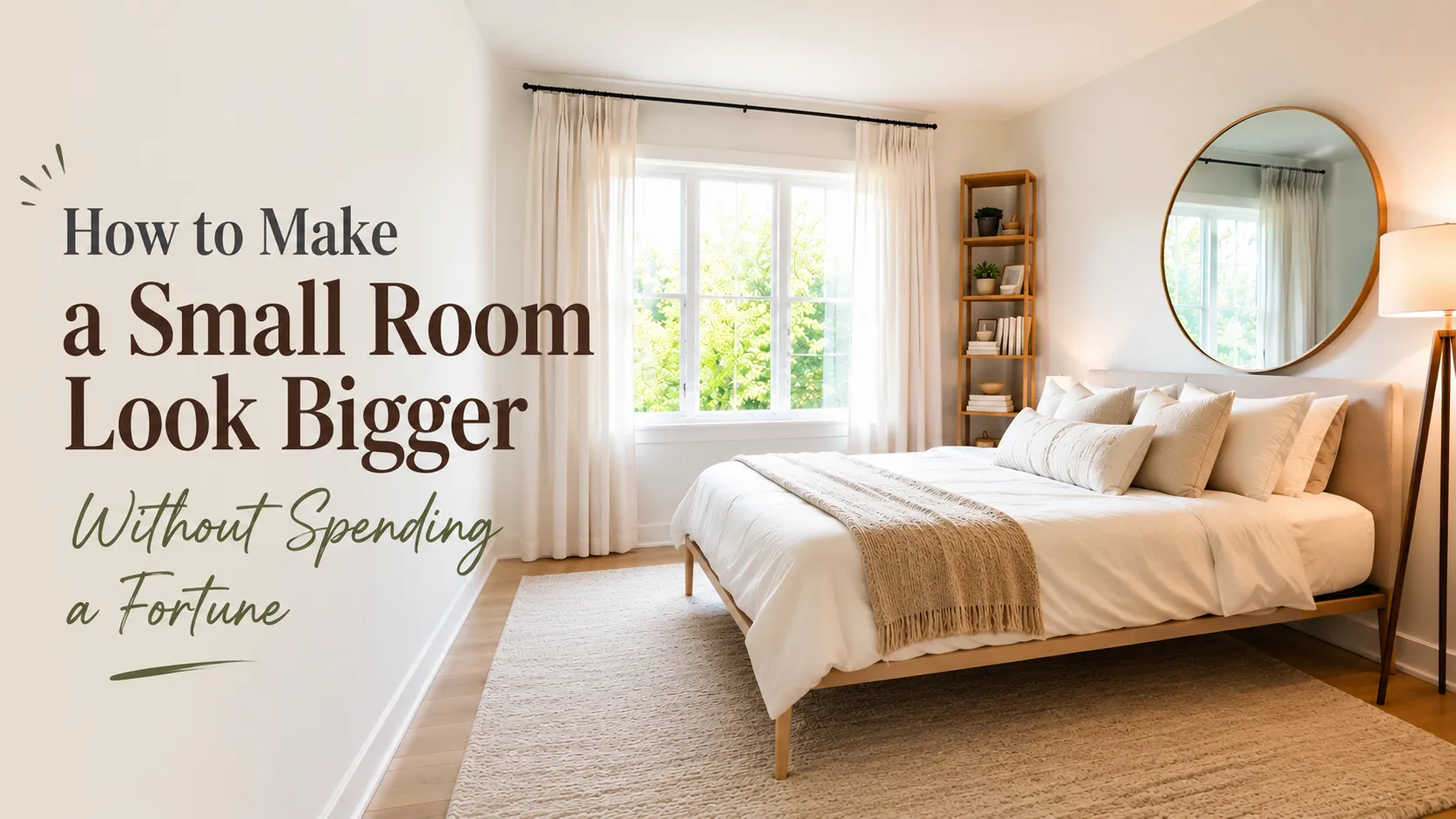
This is the same underlying principle behind making a small room feel bigger corners that stay dark tend to read as smaller and more closed-in than they actually are. Our guide on making a small room look bigger without spending a fortune covers this from the space-perception side; this post is the lighting-specific half of the same fix.
Fix #5: Put Dimmers Where You Actually Use Light
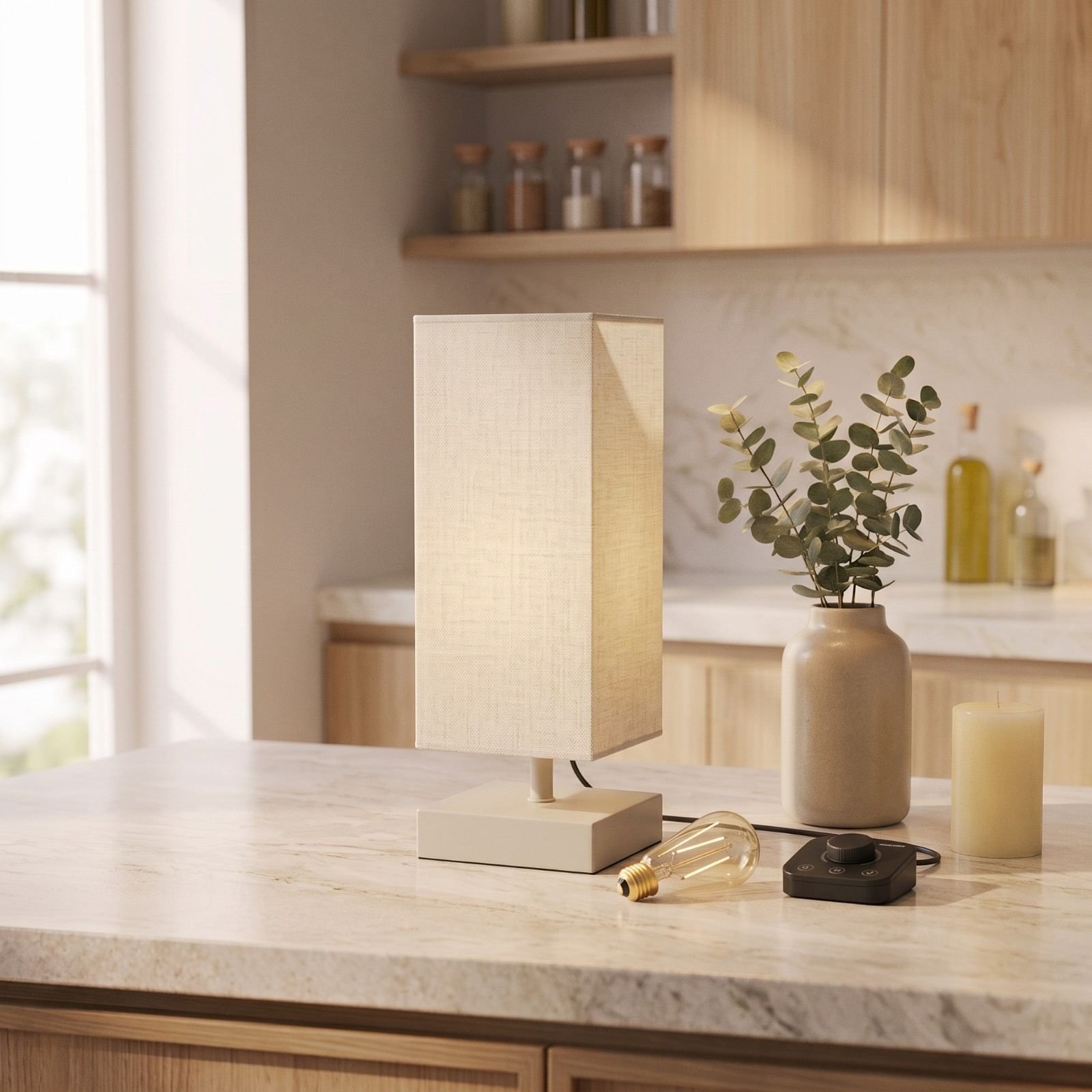
A fixed brightness level means a room only ever has one mood. A dimmer means the same lamp can go from bright and functional during the day to soft and warm in the evening. You don't need to rewire a house to get this plug-in lamp dimmers and smart bulbs with adjustable warmth both solve this without touching any wiring.
Fix #6: Let the Fixture Material Soften the Light
The shade or fixture a bulb sits inside changes how the light actually feels in the room, not just how bright it is. A bare bulb or a clear glass fixture throws harsh, direct light. A fabric shade, a frosted glass fixture, or a fixture that directs light upward toward the ceiling instead of straight down all diffuse the light spreading it more gently across the room instead of pointing it at one spot.
If you're choosing a lighting style to match a broader aesthetic, our 9 Home Decor Styles guide breaks down which materials and tones typically pair with which look, so your lighting choices stay consistent with the rest of the room.
Fix #7: Add Flame-Free Warm Light for Instant Ambiance
Real candlelight is the warmest, coziest light there is but it's not always practical to burn candles daily. A flame-free candle warmer lamp gets you the same warm, flickering-adjacent glow without the open flame, and it's one of the cheapest accent-lighting additions you can make to a nightstand, shelf, or side table. We covered one specific option in our 5 Essential Economy Home Decor Finds roundup it's a small addition that does a lot of the "cozy" work described in this whole guide in one object.
Frequently Asked Questions
Why does my house look nice but still feel cold?
Almost always lighting, not decor. A room can be perfectly styled and still feel flat if it's lit by a single overhead source with a high Kelvin (cool white) bulb. Switching to layered, warm-toned lighting usually changes the feel of a room more than any furniture or decor change would.
What Kelvin light bulb feels the coziest?
Somewhere between 2700K and 3000K is the general sweet spot for a warm, relaxed glow. Anything above 4000K starts to read as cool and clinical rather than cozy, regardless of how the rest of the room is decorated.
Do I need to rewire my house to fix bad lighting?
No. Almost every fix here the right bulb color temperature, layering lamps at different heights, plug-in dimmers, and accent lighting works with existing outlets and fixtures. Rewiring or adding hardwired fixtures is optional, not required.
How many light sources should a living room have?
There's no strict number, but aiming for at least three sources at different heights (for example: one overhead or floor lamp, one table lamp, and one small accent light) is a reliable starting point for avoiding the "flat" look a single ceiling fixture creates.



.webp%3FupdatedAt%3D1784596921652&w=3840&q=75)