When summer fades and the days start getting shorter, your home can begin to feel a little out of step with the season. Lightweight throws, bright accessories, and open, airy styling may have worked beautifully in warmer weather, but fall and winter often call for a softer, more layered atmosphere.
The good news? A seasonal home refresh doesn't require new furniture, a complete room makeover, or a cart full of seasonal decorations. A few thoughtful changes to your textiles, lighting, colors, and everyday accessories can make familiar rooms feel fresh and inviting.
The easiest approach is to keep the pieces you love and update the smaller details around them. Here's how to transition your space for fall and winter in a way that feels cozy, practical, and budget-friendly.
1. Start With a Quick Seasonal Reset
Before adding fall or winter decorations, take a few minutes to look at your space with fresh eyes. Seasonal decorating can quickly become cluttered when new accessories are layered over items that no longer suit the room.
Walk through your living room, bedroom, kitchen, and entryway. Put away summer-specific accessories, remove items you no longer use, and clear a little space on shelves, coffee tables, and countertops.
You don't have to remove everything that feels summery. Neutral cushions, wooden bowls, ceramic vases, simple artwork, and woven baskets can work throughout the year. Keep the versatile pieces and rotate only the details that make a room feel strongly tied to one season.
- Keep: neutral decor, everyday furniture, favorite artwork, and useful storage baskets.
- Rotate: lightweight throws, seasonal pillow covers, summer-themed accessories, and decorative arrangements.
- Reuse: trays, vases, candle holders, books, and other pieces that can be styled differently.
This simple reset gives you a clearer idea of what your home actually needs before you spend anything.
2. Build a Fall-to-Winter Color Palette
Color is one of the easiest ways to change the mood of a room without replacing major furniture. For fall, you might prefer earthy shades such as rust, caramel, muted terracotta, olive green, and warm brown. As winter approaches, you can keep those colors and introduce softer cream, charcoal, deep forest green, or muted burgundy.
You don't need to switch from an autumn palette to an entirely different winter palette. Choose two or three accent colors that work with your existing walls, sofa, curtains, and flooring. Then make small adjustments as the season changes.
How to make the palette work
- Keep your main furniture and larger pieces in their existing colors.
- Introduce seasonal colors through pillow covers, throws, table linens, or a small decorative arrangement.
- Repeat each accent color in at least two places so the room feels connected.
- If your home already has colorful furniture or artwork, choose complementary accents instead of adding several new colors.
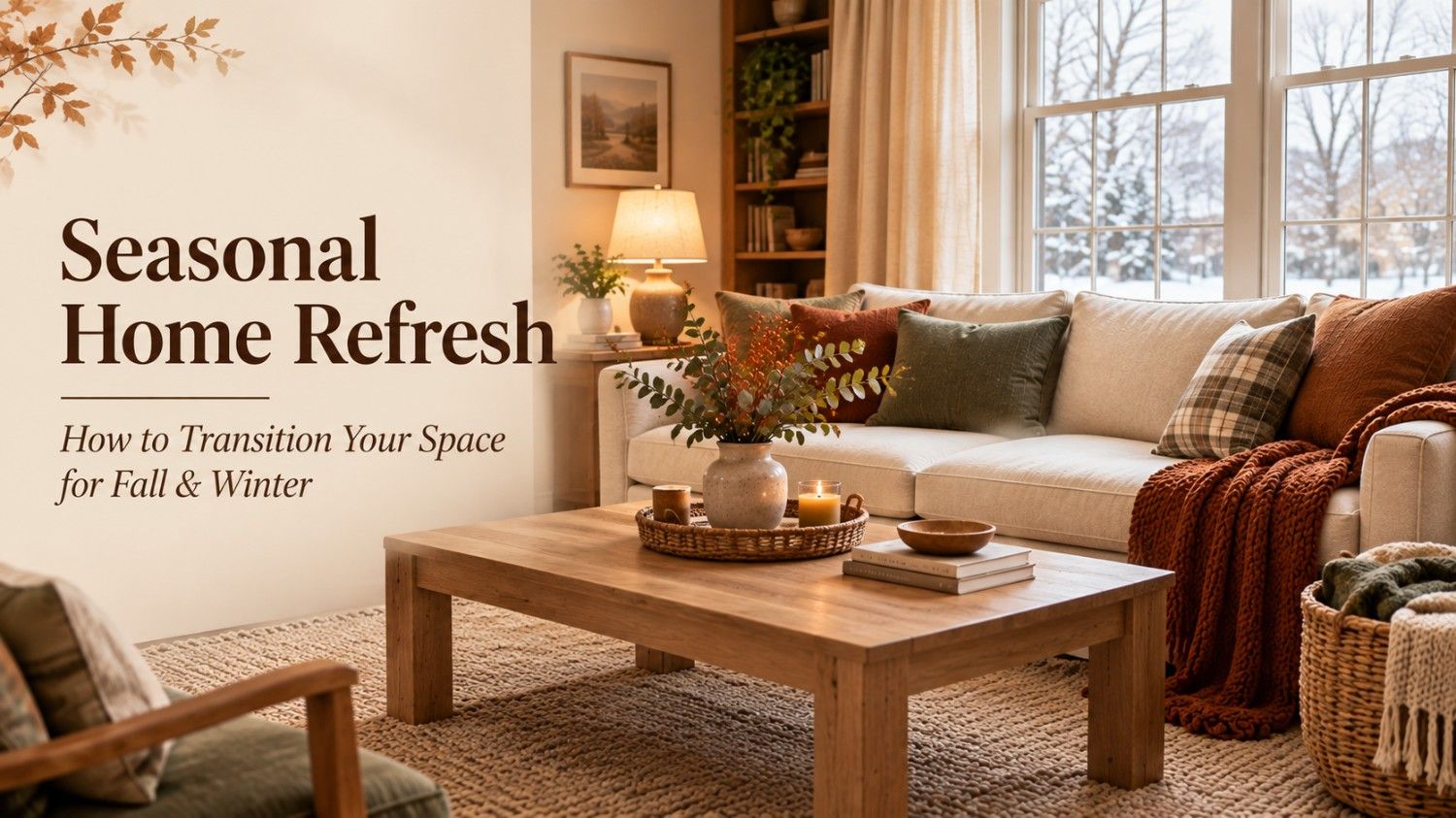
For example, a neutral sofa can feel autumn-ready with a rust-colored throw and olive cushions. Later, you can keep the same throw and replace one cushion with a deep green or soft cream cover for a more winter-inspired look.
3. Swap Lightweight Textiles for Cozy Layers
Textiles are among the most noticeable seasonal changes because they add visible texture and make a room look more inviting. Instead of buying an entirely new set of accessories, begin with the blankets and pillow covers you already own.
During warmer months, lightweight cotton and linen can feel fresh and relaxed. For fall and winter styling, consider adding textured knits, brushed cotton, velvet, fleece, or other soft fabrics that suit your preferences and climate.
Living room swaps
- Drape a textured throw over the arm of your sofa or the back of an accent chair.
- Change one or two pillow covers instead of replacing every cushion.
- If your existing rug feels visually light, layer in texture through throws and cushions before deciding whether you need another rug.
- Fold extra blankets into a basket beside the sofa so they are easy to reach and put away.
Bedroom swaps
- Add a soft blanket at the foot of the bed.
- Use pillow covers or bedding in colors that complement the rest of the room.
- Keep extra layers accessible rather than piling decorative cushions onto the bed.
Choose fabrics according to your actual needs. A thick throw may look lovely, but a lighter, washable blanket can be more practical in a warmer climate or a home where bulky layers are uncomfortable.
4. Refresh Your Lighting for Longer Evenings
As daylight changes, you may spend more time using lamps and indoor lighting in the late afternoon and evening. This makes lighting an important part of your seasonal refresh.
Instead of relying on one bright ceiling fixture, try using a combination of ambient lighting and smaller light sources where you read, relax, or spend time with family. A table lamp beside a sofa, a floor lamp near a reading chair, or a small lamp on a sideboard can create different pools of light throughout the room.
- Use lamps to brighten darker corners without illuminating the entire room unnecessarily.
- Choose bulbs with a warm color appearance where a relaxed atmosphere is the goal.
- Use existing lamps before buying new decorative lighting.
- Keep task lighting bright enough for reading, cooking, or other activities that need clear visibility.
For more detailed advice on choosing bulb color temperatures and combining different light sources, read our guide to creating a cozier home with better lighting.
5. Bring in Natural, Seasonal Details
Natural-looking accents can help your home reflect the changing season without making every surface look themed. In fall, try dried branches, seasonal foliage, pinecones, or a simple arrangement of gourds. As winter approaches, you can replace some of those items with evergreen branches, bare twigs, or other natural elements that suit your style.
The key is to use a few intentional arrangements rather than spreading small decorations throughout every room.
Easy places to style
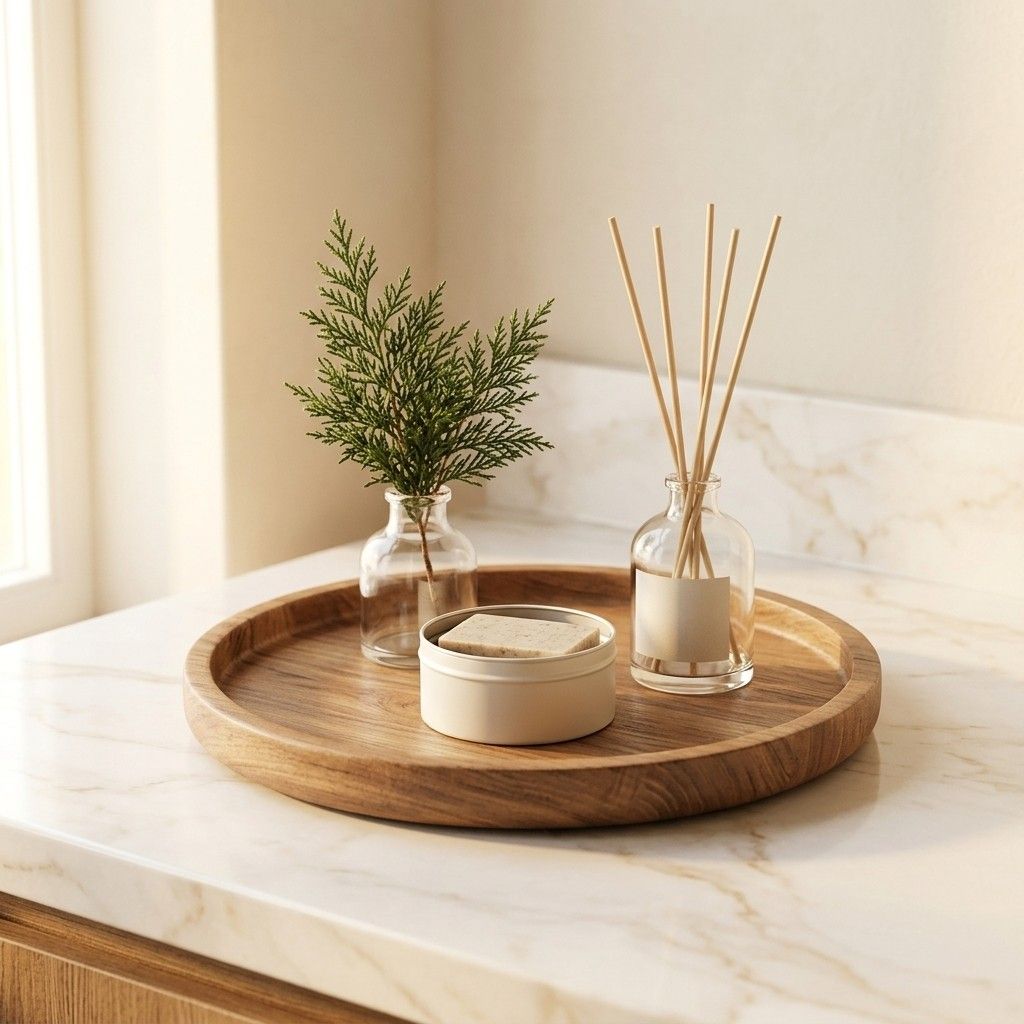
- Coffee table: Place a small vase and a decorative bowl on a tray, leaving room for everyday use.
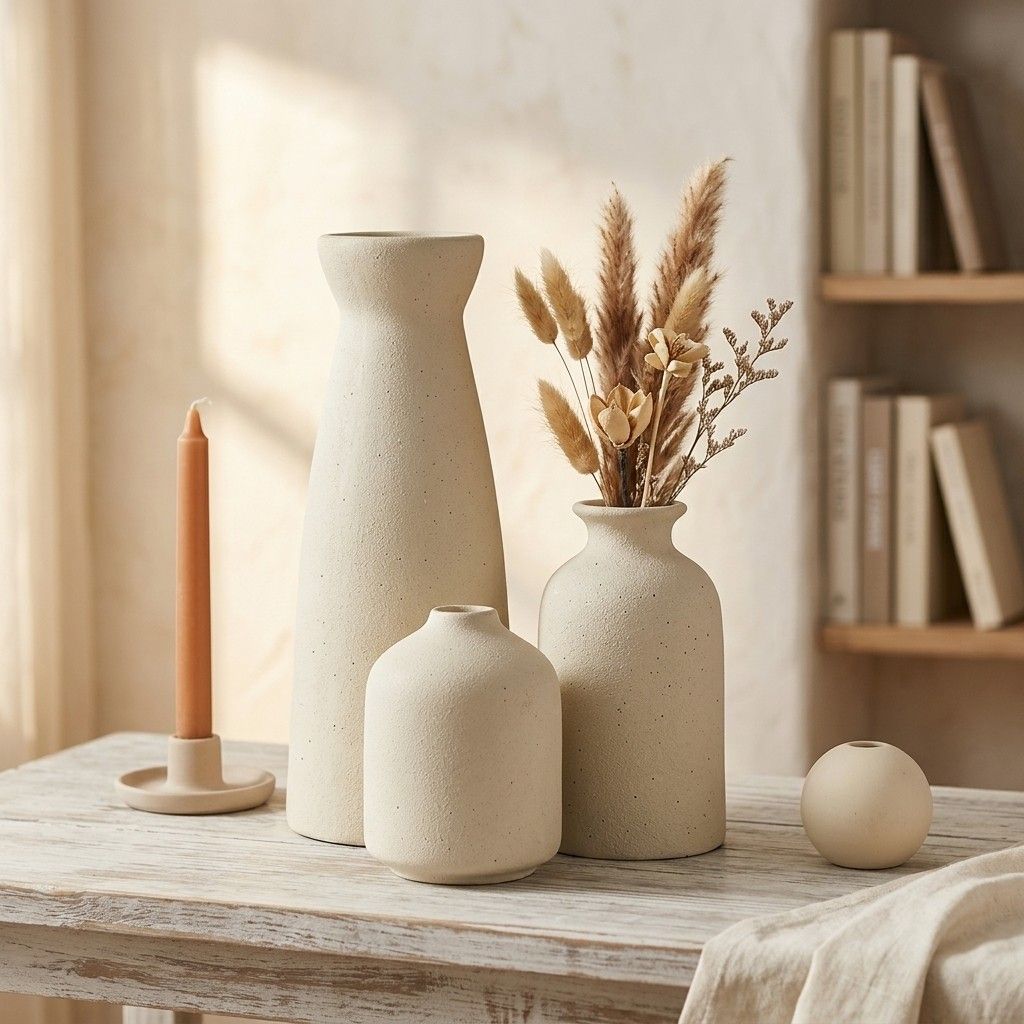
- Entryway: Use a vase with seasonal branches or a small arrangement on a console table.
- Dining table: Create a simple centerpiece that does not block conversation or take up the entire table.
- Shelves: Replace a few summer accessories with natural textures rather than rearranging every item.
If you use real foliage, make sure it is suitable for indoor use and keep it away from heat sources. For a longer-lasting arrangement, reusable faux greenery can be a practical option.
6. Make Small Seasonal Changes in Every Room
You don't need to decorate every room equally. Focus on the spaces you use most, then make smaller adjustments elsewhere if they add value to your daily routine.
Living room
Start with a throw, a couple of pillow covers, and a warmer-looking arrangement on your coffee table. Keep walking paths clear and avoid adding so many accessories that the room becomes harder to use.
Bedroom
Layer bedding according to your comfort, keep bedside surfaces tidy, and add a soft accent through a blanket or cushion. The goal is a restful room, not a display that needs constant rearranging.
Kitchen and dining area
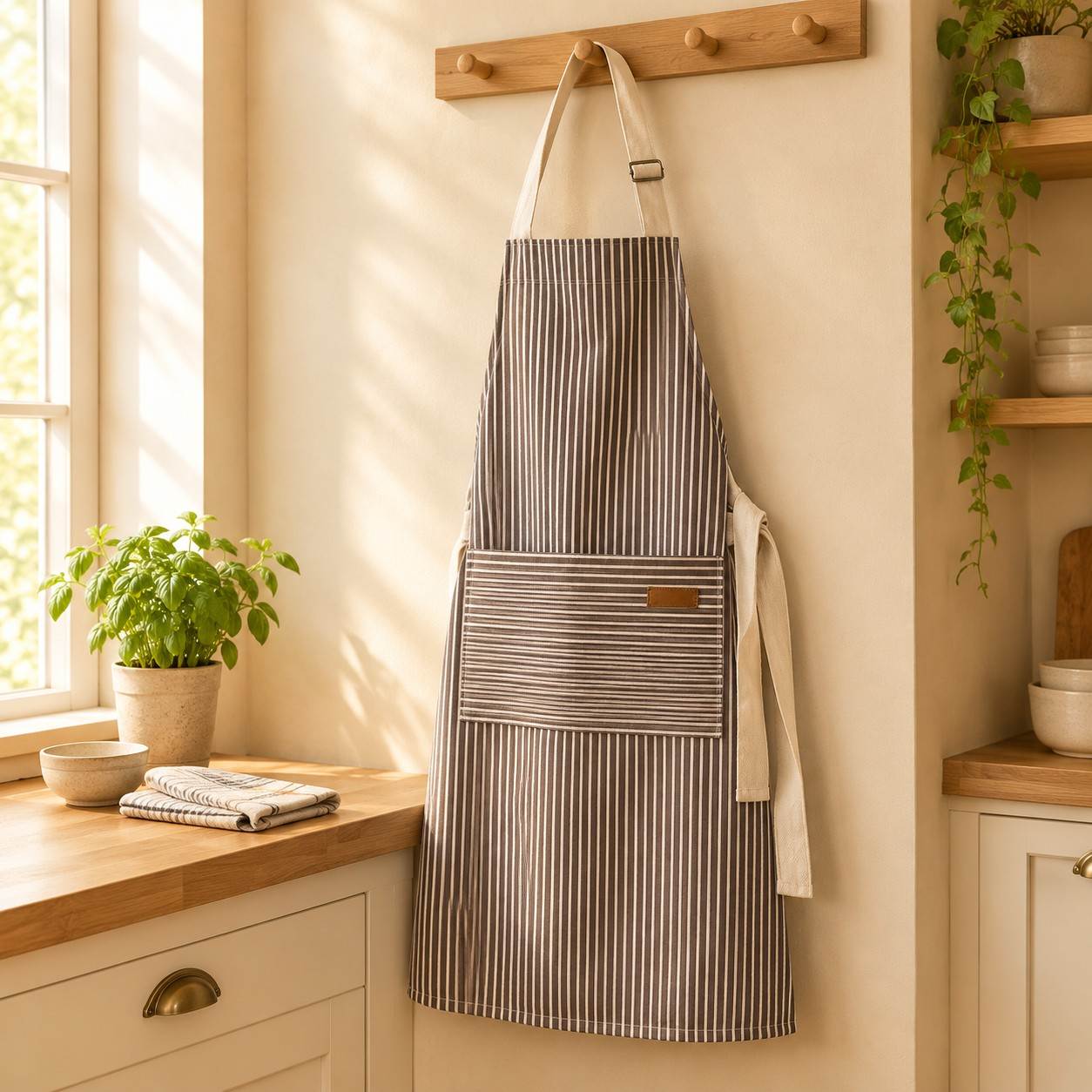
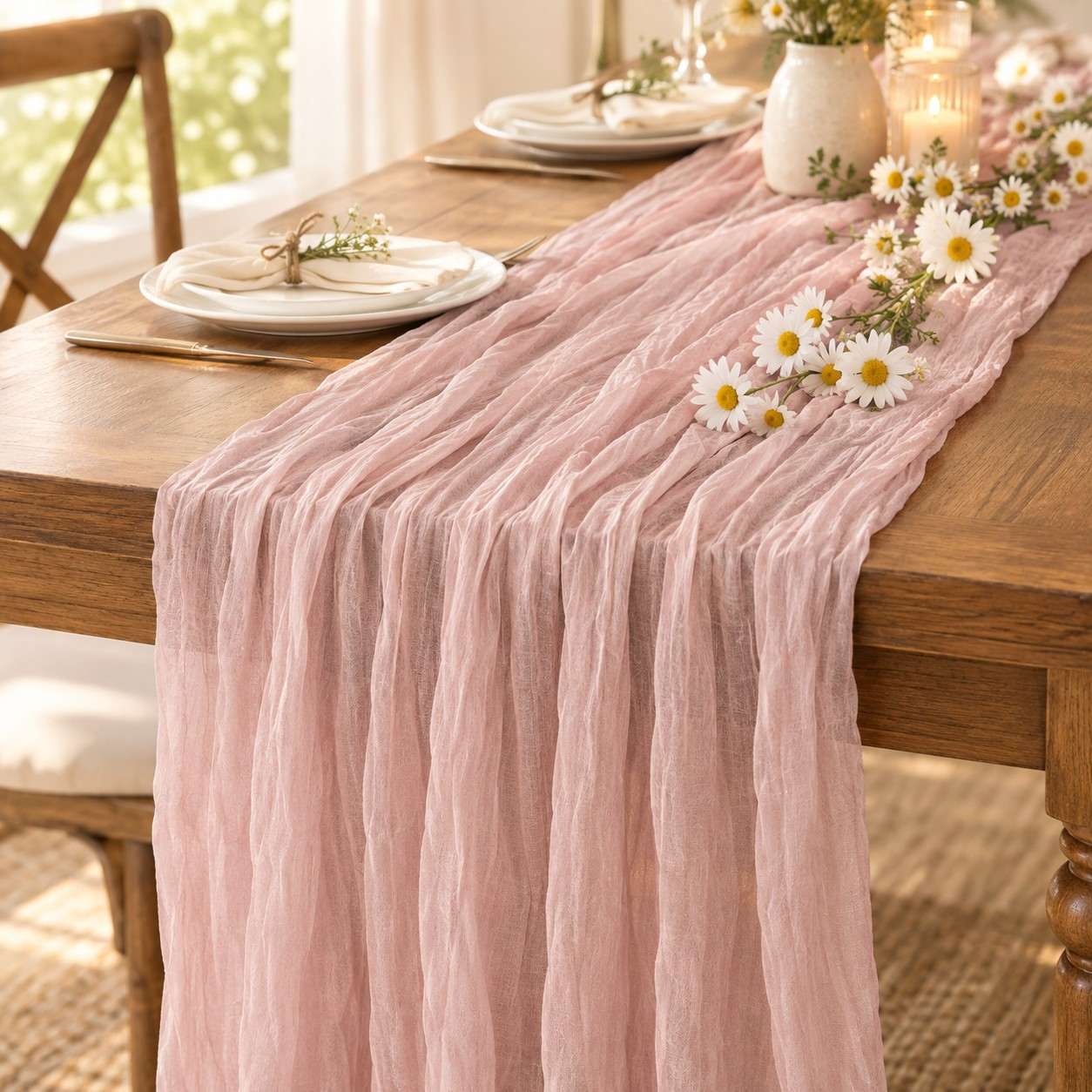
Swap a seasonal dish towel, table runner, or centerpiece. A wooden board, ceramic bowl, or simple vase can add texture while remaining useful. Keep frequently used counters clear so decorating does not make everyday tasks more difficult.
Entryway
Make the entryway more practical for changing weather by giving shoes, coats, bags, and umbrellas a designated place. A basket, hook rail, or small tray can help control everyday clutter while making the space feel more intentional.
Small rooms and apartments
In a compact space, use a few coordinated changes rather than adding more furniture or oversized decorations. Choose accessories that can be stored easily, and leave surfaces open where you need them. If you want more space-specific ideas, see our guide on making a small room look bigger without spending a fortune.
7. Make Your Home Feel Cozy Without Overspending
A seasonal refresh should make your home work better for you, not create pressure to buy a new collection of decorations. Before shopping, try a simple rule: use what you own, rearrange what you can, and buy only what solves a specific problem.
- Shop your home first: Move a throw from a guest room to the living room or restyle a vase you already own.
- Choose interchangeable pillow covers: Covers take up less storage space than multiple complete cushions.
- Use practical baskets: They can hold blankets, books, or everyday items while contributing to the room's texture.
- Buy for versatility: Select colors and materials that can work beyond one holiday or a few weeks of the year.
- Skip unnecessary purchases: If a room already feels comfortable and functional, you may only need one small change—or none at all.
8. Store Seasonal Decor So Next Year's Refresh Is Easier
A little organization now can make future seasonal changes much simpler. When you put away summer or fall items, clean them according to their care instructions and store them in a dry, suitable place.
- Keep textiles separate from fragile decorative pieces.
- Use labeled containers so you can find the items you need without opening every box.
- Store small seasonal accessories together by room or category.
- Wrap fragile objects carefully and avoid overcrowding storage containers.
- Make a note of anything you did not use this season before deciding to store it again.
You don't need a large collection of seasonal decor. A small rotation of reusable pieces can be enough to give your home a fresh look each year without creating more clutter.
Your Simple Fall-to-Winter Home Refresh Checklist
- Put away decorations that no longer suit the season.
- Keep versatile furniture and year-round accessories.
- Choose two or three accent colors that work with your existing decor.
- Refresh throws and pillow covers before buying new furniture.
- Check whether your evening lighting suits how you use each room.
- Add a few natural or seasonal accents instead of decorating every surface.
- Make practical adjustments to the entryway and frequently used spaces.
- Set a budget and shop your home before buying anything new.
- Clean, label, and store seasonal items for next year.
Frequently Asked Questions
How do I transition my home decor from fall to winter?
Keep versatile fall pieces such as neutral throws, wooden accents, baskets, and simple greenery. Gradually replace strongly autumn-themed decorations with winter-friendly colors, textures, and natural accents. You do not need to change everything at once.
What fall decorations can stay up through winter?
Neutral pillow covers, textured blankets, wooden bowls, ceramic vases, pinecones, and simple branches can often work through both seasons. Items with very specific fall or holiday motifs are easier to rotate when you want a less seasonal look.
How can I refresh my home for fall and winter on a budget?
Start by rearranging existing decor, changing a few pillow covers, using blankets you already own, and restyling shelves or tables. Set a spending limit before shopping and prioritize items that are useful beyond one season.
How can I make my home feel cozy without adding clutter?
Focus on texture, lighting, and a few coordinated accents. Keep walkways and useful surfaces clear, group small objects together, and choose accessories that serve a purpose as well as looking attractive.
When should I start decorating for winter?
There is no single required date. Start when the weather, daylight, or your household routine begins to change. You can introduce a few transitional pieces in fall and make additional adjustments as winter approaches.
Final Thoughts
A seasonal home refresh is about making your space feel right for the months ahead, not starting over every time the weather changes. A few layered textiles, thoughtful lighting choices, natural accents, and practical room-by-room adjustments can make a noticeable difference without requiring a major budget.
Keep the pieces that work, rotate the details that feel seasonal, and give yourself permission to do less. The best fall and winter home is one that looks inviting while still feeling comfortable, functional, and unmistakably yours.